
Aloe vera/sabila
Aloe vera (L.) Burm.f.
Description
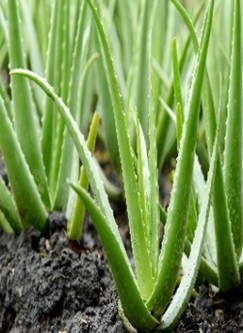
Sabila/aloe vera is an herb plant growing 30 to 40 centimeters high. Leaves arising from the ground are smooth, thick, fleshy, mucilaginous, succulent, 20 to 50 centimeters long, 5 to 8 centimeters wide, light green with white blotches, narrow-lanceolate, tapering, spiny-toothed margins. Flowering stalk is erect, usually twice the height of the plant. Flowers are 2 to 3 centimeters long, yellow, with segments that about equals the oblong tube.
Uses
- Use for dandruff.
- laxative.
- falling of hair or as a cure for baldness.
- used to preserve the hair
- edema associated with beriberi.
- dysentery and pains of the kidney.
- burns, scalds, scrapes, sunburn and wounds.
- Used for wound healing.
- conjunctivitis
- Used for sprains, sore throat.
- used as emmenagogue and cholagogue.
- as purgative.
- For contusions or local edema
- used for dysentery and kidney pains.
- For bruises
- For hemorrhoids
- used for diabetes.
- used for herpes simplex sores, tendinitis, dandruff, menstrual cramps, acne, stomatitis, varicose veins, warts, hemorrhoids.
- eczema and psoriasis.
- anthelmintic, uterine stimulant and hemorrhoid treatment.
Plant Part Used
Leaves, pulp, and sap
Distribution
- Cultivated for ornamental and medicinal purposes.
- Introduced, not naturalized.
- Native to Oman.
- Occurs in subtemperate and tropical regions.
Preparation
- Use for dandruff
- Laxative: Dried latex from leaf taken by mouth
- Falling of hair or as a cure for baldness: Juice of fleshy leaves is usually mixed with gogo by Filipino women, remove the spines, cut leaves and rub directly on the scalp. The juice of fresh leave may be mixed with gogo and used as a shampoo.
- Preserve the hair: Juice from leaves mixed with wine
- Dysentery and pains of the kidney: Juice from leaves mixed with milk
- Burns, scalds, scrapes, sunburn and wounds: Fresh juice expressed from the leaves is spread on skin
- Laxative: Dried latex from leaf taken by mouth
- Conjunctivitis: leaf juice is applied to the outer eyelid
- Contusions or local edema: bruised fresh leaves are applied as poultice over affected areas
- Bruises:, equal parts of juice and alcohol are applied to affected areas
- Hemorrhoids: cuticle from leaves used as suppository
- Eczema and psoriasis: Used in combination with licorice roots
- Topical Uses (Skin and Wounds)
- Burns and Sunburns: Applying pure aloe vera gel accelerates the healing time of first- and second-degree burns, reduces pain, and cools inflammation
- Wound Healing: The gel stimulates fibroblast activity and collagen synthesis, aiding the recovery of minor cuts, scrapes, and insect bites
- Skin Conditions: It is used as an adjunctive treatment for psoriasis, seborrheic dermatitis, and acne to reduce scaling, redness, and irritation
- Oral and Dental Health: Aloe vera-based mouthwashes help reduce dental plaque, soothe gingivitis, and accelerate the healing of canker sores
- Oral Uses (Digestive and Metabolic Health)
- Constipation Relief: The yellow latex layer beneath the plant's rind contains anthraquinones (like aloin), which act as strong natural laxatives. (Note: Regulatory agencies like the FDA do not recommend oral aloe latex due to severe cramping and safety risks.)
- Acid Reflux (GERD): Consuming purified aloe vera gel in small amounts can help lower esophageal inflammation and ease heartburn
- Blood Sugar Management: Some studies suggest that oral aloe vera juice may help improve insulin sensitivity and support lower blood sugar levels in people with type 2 diabetes.
References
- https://www.stuartxchange.org/Sabila
- https://www.google.com/search?q=medicinal+preparation+for+aloe+vera%2Fsabila&oq=medicinal+preparation+for+aloe+vera%2Fsabila&gs_lcrp=EgZjaHJvbWUyBggAEEUYOTIHCAEQIRigATIHCAIQIRigATIHCAMQIRigATIHCAQQIRifBTIHCAUQIRiPAjIHCAYQIRiPAtIBCjQ4MTA5ajBqMTWoAgiwAgHxBRDpLTUjY4Yk&sourceid=chrome&source=chrome.rb&ie=UTF-8