
Tanglad/Lemon Grass
Cymbopogon citratus (DC.) Stapf
Description
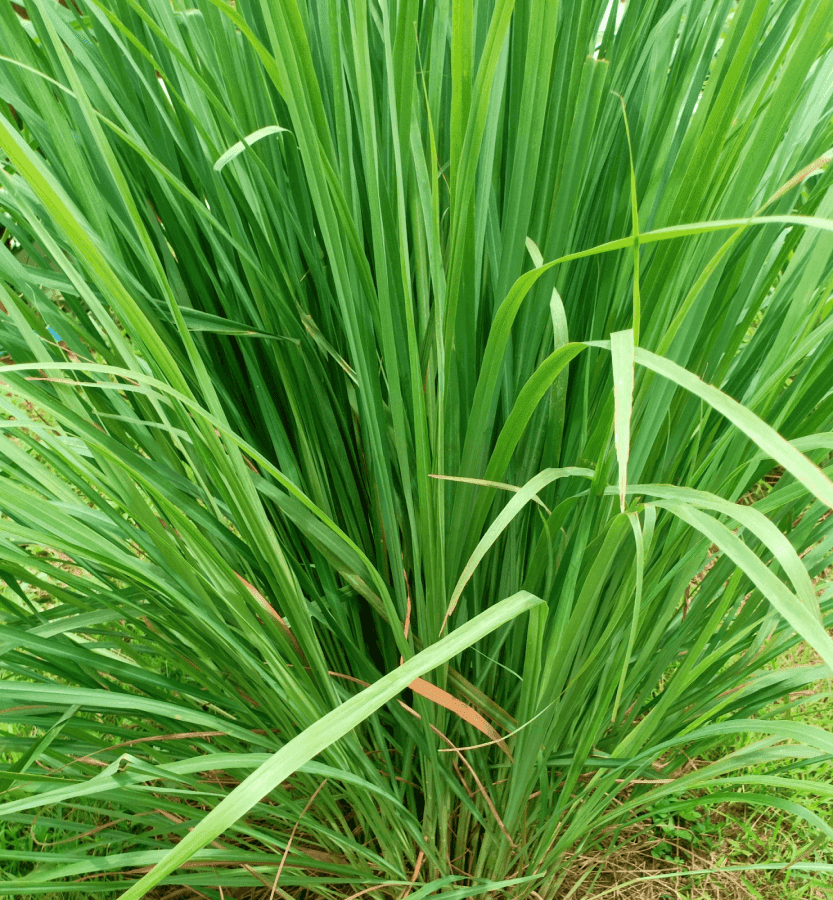
Tanglad/Lemon grass is a tufted and perennial grass. Leaves grow to a length of up to 1 meter, about 1 to 1.5 centimeters wide, scabrous, flat, long-acuminate, and smooth. Panicles are 30 to 80 centimeters long, interrupted below; the branches and branchlets somewhat nodding. Perfect spikelets are linear-lanceolate, pointed, not awned, and about 6 millimeters long.
Uses
- Diarrhea
- Toothache
- Diuretic
- Headache
- Rheumatic pain
- Back pain
- Neuralgia
- Anti-microbial/anti-inflammatory
- Sedative
- Ringworm
- stomachic
- emmenagogue
- sprain
- vomiting
- lower blood pressure
- gatrointestinal maladies
- febrifuge
- anxiolytic
- hypnotic
- anticonvulsant effects
- sudorific
- antipyretic
- antispasmodic
- cough
- cold
- hemoptysis
- sore throat
- improve blood circulation
- remove body odor
Plant Part Used
Leaves, roots, whole plant
Distribution
- Planted in most parts of the Philippines for its fragrant leaves, but is nowhere spontaneous.
- Native to India, Sri Lanka.
Preparation
- Herbal Tea (Infusion): Chop 1 to 2 teaspoons of fresh tanglad leaves and steep in 6 ounces of boiling water for 10–15 minutes, then strain. Used to soothe digestion, ease stomach cramps, and relieve anxiety
- Essential Oil & Aromatherapy: Extracted via steam distillation, the oil is inhaled to reduce stress or diluted with a carrier oil (such as coconut oil) for topical application on muscle and joint pain
- Poultice: Crushed or pounded fresh leaves are applied directly to the skin or forehead to help soothe headaches, swelling, or localized pain
- Tincture: Alcohol-based leaf extracts taken in controlled liquid doses (typically 5–15 mL) for concentrated herbal support
- For diarrhea, decoction of leaves with sugar and a small piece of crushed ginger taken orally. For adults, 1 cup, 3 times daily taken after each loose bowel movement. For infants and babies, 1 tablespoon 3 times daily and after each loose bowel movement; 2-6 years, 1/4 cup 3 times daily and after each loose bowel movement; 7-12 years, 1/2 cup three times daily and after each loose bowel movement.
- Leaves applied to the forehead and face as a cure for headaches; infusion held in the mouth to alleviate toothaches.
- Tea made from leaves used as stomachic tonic, diuretic, and refrigerant
- The oil, mixed with equal amounts of coconut oil, is used as a liniment for back pains, rheumatic complains, neuralgia, sprains and other painful afflictions
- Decoction of leaves used as stomachic, diuretic, and refrigerant
- leaf infusions used as antimicrobial, anti-inflammatory and sedative
- hot water extract of dried leaves and stem taken orally as renal antispasmodic and diuretic
- hot water extract of entire plant drunk as stomachic; extract of dried root taken orally for diabetes.
- leaf decoction taken orally for sore throat, empacho, and as emetic
- oil used for cough, cold, hemoptysis, rheumatism, back pain, bladder problems.
- Roots consumed to induce sweating and improve urine flow. Leaves placed in bathwater to treat cuts and wounds, reduce swelling, improve blood circulation, and remove body odor