
Pechay/petchay
Brassica rapa L.
Description
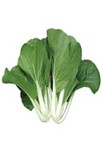
Pechay/petchay is an erect, biennial herb, growing about 15 to 30 centimeters tall in vegetative state. Leaves are ovate, spreading, and arranged spirally. Petioles are enlarged, growing upright forming a subcylindrical bundle. Inflorescence is a raceme with pale yellow flowers. Seeds are 1 millimeter in diameter, reddish to blackish brown in color.
Uses
- Green leaves are used as garnish
- Cancer remedy
- Breast tumors
Plant Part Used
Leaves, stems, seeds
Distribution
- An ancient vegetable, cultivated over 4000 years.
- Cultivated in the Philippines, grown from low to mid elevations throughout the year.
Preparation
- Stems, leaves, and powdered seed used as cancer remedy
- Boiled roots used for breast tumors
- Herbal Tea (Decoction): Chop fresh pechay leaves and boil them in water for 5 to 10 minutes, then strain and drink. This is traditionally used to aid digestion and help cleanse the body. [1]
- Skin Poultice (Pangtapal): Crush clean, fresh pechay leaves and apply them directly onto minor skin irritations, insect bites, or localized swelling as a traditional folk remedy. [1]
- Juice or Smoothie: Blend fresh leaves—often combined with other fruits or vegetables—to support general digestion and daily nutrient intake. [1]
- Lightly Cooked Dish: Lightly boil or saute pechay in soups like tinola or sinigang to maximize the retention of immune-boosting vitamins like Vitamin C, Vitamin K, and dietary fiber