
Kalamansi/Calamansi
Citrus x microcarpa Bunge
Description
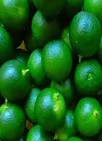
Kalamansi is a smooth and slightly spiny plant, growing to a height of 3 to 5 meters. Leaflets are elliptic to oblong-elliptic, 4 to 8 centimeters long. Petioles are very narrowly or scarcely winged, about 1 centimeter long. Flowers are axillary, solitary, rarely in pairs, white, and short-stalked. Fruit is yellow when ripe, nearly spherical, 2 to 3.5 centimeters diameter, 6- to 7-celled, and thin-skinned. The skin or peel is green to yellowish green or yellow, loosely adhering to the flesh. The flesh contains a few light orange seeds.
Uses
- Seasoning/condiment
- Rich source of vitamin C
- Cough
- Colds
- Sore throat
- Nausea
- Fainting
- Itching
- Hypertension
- Hair shampoo/grower
- Acne
Plant Part Used
Fruit, leaves, roots
Distribution
Widely cultivated in the Philippines, the species is native to the Philippines
Preparation
- Clean the calamansi fruit and cut into two.
- Squeeze to get the juice and pour into the glass of water.
- You can separate the seed using a fork when squeezing.
- Add the sugar to taste then stir and drink. Nonetheless, drinking Calamansi Juice is definitely a natural and effective, to keep your kidney healthy. At no specific time, ten or more calamansi fruit in a glass of water are needed to consume. Aside from that, it also eliminates urine odor and lighten urine color.