
Dill
Anethum graveolens L.
Description
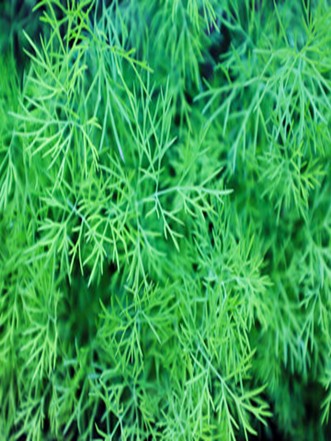
Dill an annual plant growing up to 90 centimeters in height. Stems are slender. Leaves are filiform, dividing into three or four pinnate sections, similar and slighter broader than fennel leaves. Flowers are yellow umbels producing oval dill seeds. Seeds are small, flat, with a pleasant aromatic odor. Fruits are oval, compressed, winged, about 2 centimeters wide, with three longitudinal ridges on the back and three dark lines on the flat surface.
Uses
- used for insomnia
- used for stomach acidity, flatulence, dyspepsia, colic.
- Insomnia
- increase milk flow
- helpful in halitosis
- used for colic in babies
- Pain relief
- furuncles
Plant Part Used
Seeds, leaves
Distribution
- Cultivated for culinary spice use
Preparation
- Insomnia: Infusion of the seed
- Stomach acidity, flatulence, dyspepsia, colic: infusion of the seed
- Hastens suppuration and provides pain relief: The seed boiled in olive oil and applied warm over furuncles
- Nursing mothers use the dill to increase milk flow
- Chewing of the seeds helpful in halitosis.
- Decoction of the herb used for colic in babies. Seed decoctions are more potent and should be adjusted accordingly.
- Dill Leaf Infusion (Tea):
- Preparation: Add 1 tablespoon of fresh, chopped dill leaves or stems to 1 cup of just-boiled water. Cover and steep for 5 to 10 minutes, then strain.
- Use: Soothes mild indigestion, upset stomachs, and bloating.
- Dill Seed Decoction or Infusion:
- Preparation: Use 1 teaspoon of lightly crushed dill seeds per 1 cup of hot or boiling water (simmered briefly or steeped covered).
- Use: Relieves gas, cramps, and digestive spasms
- Dill Tincture / Extract:
- Preparation: Typically extracted as a 1:2 fresh plant/seed ratio in alcohol (approx. 60% EtOH).
- Use: Standard herbal dosage often ranges around 3 to 5 mL taken up to 4 times daily, or blended into custom calming fo Gripe Water Component: rmulas
- Topical Seed & Oil Poultice / Infusion:
- Preparation: Seeds or essential oils are sometimes warmed in carrier oils (like olive oil) and applied externally to minor local irritations or discomfort
- Gripe Water Component:
- Preparation: Dill seed essential oils are traditionally blended into liquid formulations.
- Use: Given to relieve infant colic and hiccups
References
- https://www.stuartxchange.org/Dill.html
- https://www.google.com/search?q=medicinal+preparation+for+dill&oq=&gs_lcrp=EgZjaHJvbWUqCQgBECMYJxjqAjIJCAAQIxgnGOoCMgkIARAjGCcY6gIyCQgCECMYJxjqAjIJCAMQIxgnGOoCMgkIBBAjGCcY6gIyCQgFECMYJxjqAjIJCAYQIxgnGOoCMgkIBxAjGCcY6gLSAQ4xNjE2NjMyNzZqMGoxNagCCLACAfEFUEyNC5DlZ4w&sourceid=chrome&source=chrome.rb&ie=UTF-8